

Network of Municipalities
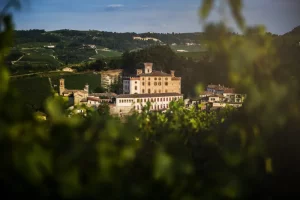
Barolo
A symbolic place of local wine production and the hub of the Langhe, Barolo is a treasure chest that holds treasures to visit and enjoy. Not to be missed, in this sense, are the Wine Museum and the Barolo Regional Wine Shop Museum (which trace the history of the local “gold”), the Aula Picta Museum for lovers of modern art, and hikes in the UNESCO heritage hills.

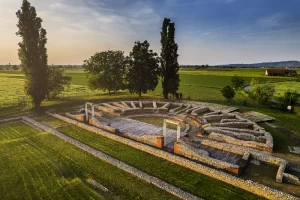
Bene Vagienna
Enclosed between the Stura and Tanaro rivers, Bene Vagienna stands on the remains of the ancient Roman city of Augusta Bagiennorum, whose archaeological site and numerous artifacts it preserves. The historic center also boasts several museum centers, as many churches or palaces worth mentioning, and, for outdoor enthusiasts, a bicycle route that overlooks the Alpine arc.
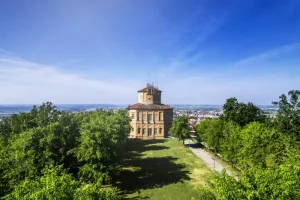
Bra
The historic capital of the Roero, Bra has always been a crossroads of trade and passage, but also a place of art and great food and wine tradition. From the many exhibition hubs of the Urban Museum System to the characteristic Zizzola to the quaint village of Pollenzo, the city of Giovanni Arpino tells us a centuries-old story, where the love of beauty meets the goodness of local products.
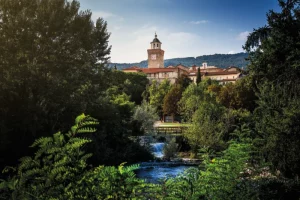
Busca
Lying on the western edge of the Cuneo plain and the capital, in the 12th and 13th centuries, of an important and eponymous Marquisate, Busca still preserves noteworthy historical-naturalistic peculiarities such as the Alabaster Quarries, the Castle and adjoining Roccolo Park, the Ingenuity Museum Park, Casa Francotto, the Valmala Sanctuary and several minor chapels frescoed by the mastery of the Biazaci brothers.
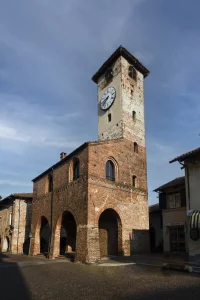
Caramagna Piemonte
Lying on the plain that joins the provinces of Cuneo and Turin, Caramagna Piemonte is distinguished by some precious peculiarities such as the Merlino Wood, the confraternity of Santa Croce, and the historic center of medieval layout. Various artistic and naturalistic elements, in short, which are blended with the unmistakable flavor of typical local excellence.
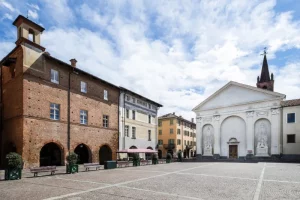
Carmagnola
An ancestral crossroads between Cuneo and Turin, Carmagnola is a thousand-year-old town that has developed over the centuries. Notable peculiarities include the extensive museum network, Casanova Abbey, a historic center layered over the years, and three large green areas. For those with a sweet tooth, then, not to be missed is the Carmagnola bell pepper, the flagship of local food and wine production.
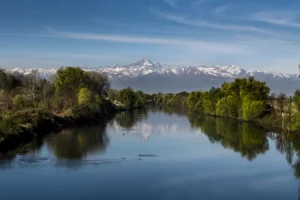
Casalgrasso
In the Cuneo plain, at the foot of the Alps, lies Casalgrasso, whose historic center is dotted with evidence of past centuries, tangible in the many religious buildings and artistic glimpses of the Carpenetta locality. There is also no shortage of attractions for nature and sports lovers at the Falè Quarry Lake and tasty local gastronomic products.
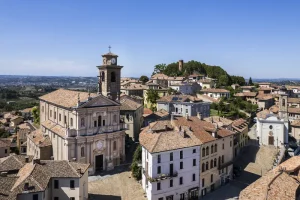
Castagnole delle Lanze
Suspended between Langhe and Monferrato, Cuneo and Asti, Castagnole delle Lanze presents a historic center symbolic of a rich past, where the contemporary art of Ugo Nespolo meets the verdant hues of Rimembranza Park. Listed among Italy’s Most Beautiful Villages and enveloped by rows of vines, finally, Castagnole offers unmissable experiences for the eye and the palate.
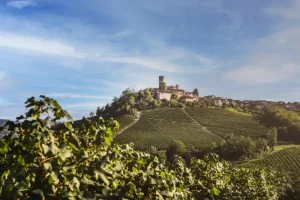
Castiglione Falletto
Castiglione Falletto encompasses a thousand-year history right from its name, which refers to the Roman castrum. Indeed, the 12th-century castle dominates the town center, which in turn is marked by characteristic narrow streets that climb upward and numerous houses of worship. The Langa hills are then combined with a rich hiking offer and the flavors of an area that is home to “good living.”
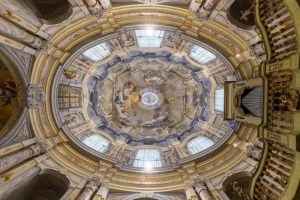
Cavallermaggiore
Lying in the heart of the Cuneo countryside, Cavallermaggiore is characterized by a history dating back thousands of years, which lives on especially in the three splendid confraternities in the historic center, effigies of a strong religious vocation. Other features that embellish the Cavallermaggiorese offerings include the Trail on the Maira, the dairy tradition, and, at Christmas, the famous mechanical nativity scene.
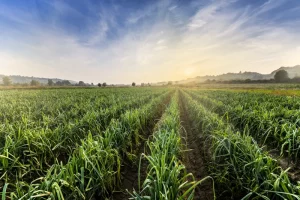
Cervere
Nestled in the heart of the Cuneo plain, Cervere is characterized by its charming medieval tower and pretty old town, although its name today is often associated with the gastronomic excellence of the local leek. Cultivated for decades and valued by a special protection consortium, the Cervere Leek gives rise to one of the most famous fairs in the province of Cuneo and a nature trek of the same name.
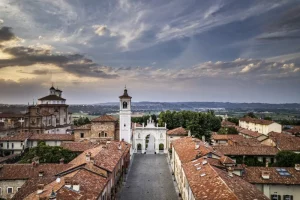
Cherasco
Cherasco looks to the hills and to the future strong in its centuries-old history. The numerous museum centers that grace the town and the Sentiero del Bacio (Kiss Trail), for example, are just a few of the wonders that characterize the land of Cherasque, among which the tasty snail dishes and desserts that weave the flavors of the Langa with those of the plains are also worth mentioning here.
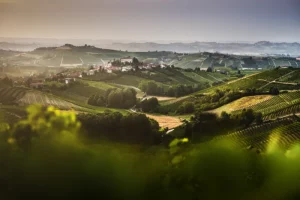
Coazzolo
Moving sinuously between Langhe and Monferrato, one encounters the small village of Coazzolo, formerly a pre-Roman settlement. Here, centuries-old history and architecture meet contemporary art, and thanks to the sound amphitheater, the eyes and heart open to the infinite. Unmissable, then, a sin of gluttony to taste the excellent wines that distinguish the area.
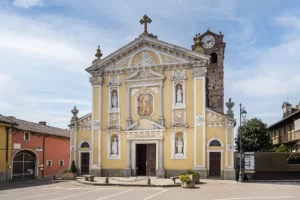
Faule
Lying along the banks of the Po River, the municipality of Faule preserves several noteworthy historic buildings such as the striking Sanctuary of the Madonna del Lago and the 14th-century castle. Famous for bagna caoda and the festival of the same name, finally, Faule is historically influenced by river breaths as evidenced by the Po River Festival and the Fontane Nature Reserve.
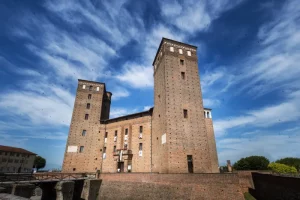
Fossano
Officially founded in the 11th century, Fossano is now one of the most important economic and cultural centers in the Cuneo area. The Acaja Castle, symbol of the town, dominates the square of the same name and looms over the historic center, in whose streets it is possible to breathe in the centuries-old past of the entire town. The Sanctuary of Cussanio and the Sentiero del Pescatore (Fisherman’s Path), then, are two not-to-be-missed stops in the countryside that enrich the town’s tourist offerings.
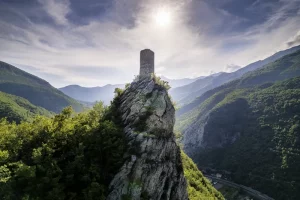
Garessio
Nestled where Piedmont’s mountains meet those of Liguria and listed among Italy’s Most Beautiful Villages, Garessio is a true paradise for outdoor enthusiasts thanks to a first-rate trail network. The not-to-be-missed Casotto Castle dating back to the year 1000 and remodeled by the House of Savoy, the winter offerings of Garessio 2000 and the local gastronomic variety, then, make the village a longtime and popular tourist destination.
Genola
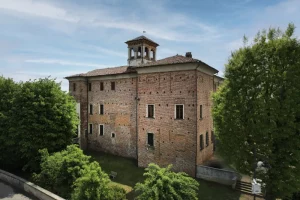
Nestled in the Cuneo plain, Genola traces its roots back to the Roman period until becoming, today, an important commercial hub. The numerous buildings built by the noble Tapparelli family and the parish of St. Michael the Archangel, then, embellish the entire historic center, whose tourist offerings are enriched by the bicycle/pedestrian ring that surrounds the town and the tasty “Quaquare” of local tradition.
Govone
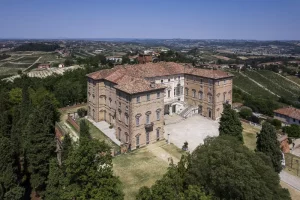
Where the Roero meets the Monferrato, here rises the town of Govone, dominated by the Royal Castle, built in the 10th century, remodeled over time, and embellished by the neighboring park. The hills surrounding Govone, then, offer varied hiking trails and allow the development of the area’s typical food and wine excellences.
Grinzane Cavour
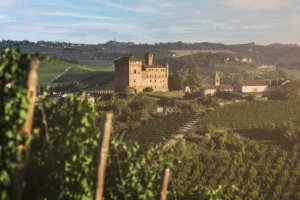
Nestled in the heart of the Langhe, Grinzane Cavour is surrounded by UNESCO World Heritage vineyards. The famous castle dominates the historic center, itself marked by two different urbanistic souls. The nature of the hills is obviously an integral part of the beauty of the place thanks to the wines and truffles, while the skillful intertwining of man and environment reaches its acme in the In Vigna – Open Air Museum.
Lagnasco
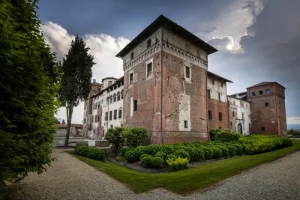
Lagnasco is one of the beating hearts of the fertile Cuneo plain, which in the spring months is tinged with the warm colors of fruit and vegetables, tangible above all by taking one of the many hiking routes that plunge into the lands of the Marquisate. The Tapparelli d’Azeglio Castles, then, with the Garden of Essences attached, tell the historical evolution of the area, representing in fact an artistic unicum for the entire province of Cuneo.
Lombriasco
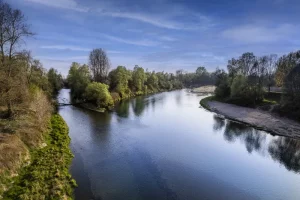
Embraced by the Po and Maira rivers, Lombriasco is a small village on the Turin plain. From the Castle-Monastery dating back to the year 1000 to the Baroque buildings and the Natural Science Museum, Lombriasco boasts numerous attractive hubs. The river breath has undoubtedly marked its history, as evidenced by the Maira Confluence Nature Reserve and typical products, among which eel stands out.
Magliano Alpi
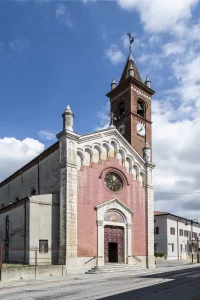
Lying between the Cuneo plain and the Langa hills, with a distinctly mountainous appendage, Magliano Alpi is marked by numerous places of worship and the distinctive “Corelli Collection” Military Hat Museum. Rich in hiking itineraries in both the alpine and flat parts, Magliano finally preserves a local food and wine that is a perfect synthesis of lowland tastes and mountain flavors.
Manta
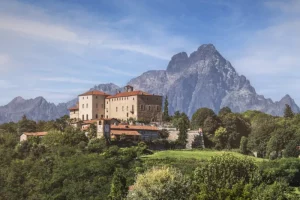
Lying at the foot of the alpine valleys and historically linked to the Marquisate of Saluzzo, the town of Manta guards the castle of the same name, a FAI heritage site considered a genuine masterpiece of late Gothic painting. Instead, Cascina Aia brings culture into the present with a multifunctional hub. In addition, the heterogeneous landscape made up of plains, hills and mountains is also an incredible naturalistic treasure thanks to the excellent fruits and vegetables that are grown and processed right here.
Marene
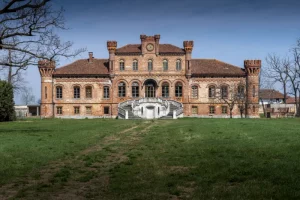
Lying in the heart of the Cuneo plain and stratified over the centuries, Marene retains a historic center that is a succession of outstanding civil and religious buildings. Especially important, then, is the civic library, a vibrant cultural hub located inside the Gallina Palace. Finally, the “Marenese Routes” in nature and local food and wine peculiarities enrich an attractive city with many complementary souls.
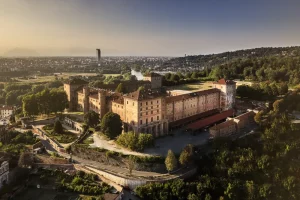
Moncalieri
Adjacent to Turin but nestled in the green hills and banks of the Po River, the city of Moncalieri has been gazing for centuries at its Royal Castle, a UNESCO World Heritage Site and the urban centerpiece of a historic center remodeled several times by the House of Savoy. Finally, the various noteworthy religious buildings, numerous cycling routes between the plains and mountains, and local culinary excellence enrich the offerings of the so-called “City of Proclamation.”
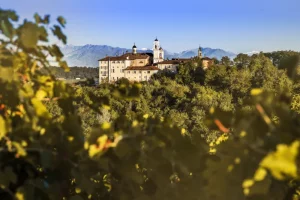
Monchiero
Monchiero stretches between the Tanaro River and the Langa hills and is dotted with several houses of worship that grace the small historic center. The scenic charm of the surrounding hills, then, becomes easily tangible from the scenic Belvedere Alberto Scarampi or by taking the various hiking routes that distinguish the area, which is world-famous for its winemaking tradition.
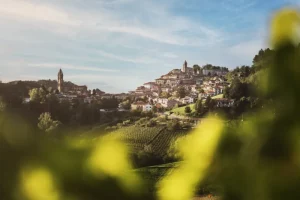
Monforte d’Alba
Located on a Langa hilltop and facing the Alps, Monforte d’Alba boasts even prehistoric roots. Its historic center made up of narrow streets and small squares is home to Palazzo Scarampi, numerous religious buildings and the Horszowski Auditorium, home of the famous Monfortinjazz. Alongside the wine and gastronomic delicacies, then, you can breathe in the authentic air of the Langhe UNESCO World Heritage Site through several hiking trails suitable for the whole family.
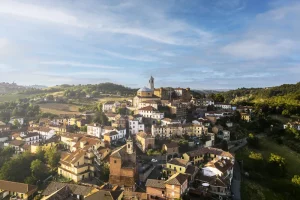
Montegrosso d’Asti
Between Roero and Monferrato, in the heart of the UNESCO World Heritage Site, stands Montegrosso d’Asti, whose historic center features important religious buildings and a rich civic library housing 16,000 volumes. The lush surrounding area then offers fascinating hiking and walking trails, not forgetting, of course, the area’s typical products of excellence such as wines and truffles.
Moretta
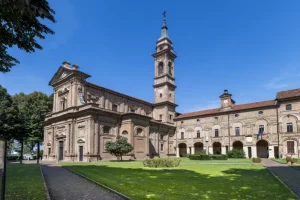
Embraced by the Po River and the Varaita stream, Moretta still retains the imprint of the old castle that dominates the central square and is similarly embellished by several Baroque-style churches. Nestled in the fertile Cuneo plain, then, alongside dairy production and the distinctive capon (the star of the fair of the same name), Moretta guards a varied nature-cycling offer thanks to the Sentiero delle Ochette and the bike path to Airasca.
Narzole
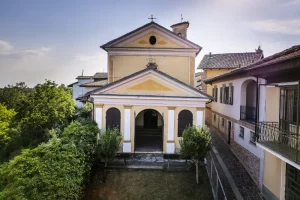
Situated on the edge of the Langhe and characterized by a history rooted in the Celto-Ligurian and Roman periods, Narzole preserves a historic center rich in Baroque-style churches, while also hosting two celebrated wide-ranging events: the Historical Reenactment and the Napoleonic Fair. Finally, surrounded by a dense network of trails, the village offers its visitors numerous culinary delicacies such as the typical “Cognà.”
Neviglie
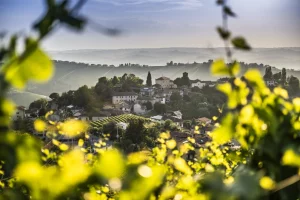
Nestled in the Langhe and perched on a hill at an altitude of almost 500 meters, Neviglie is a village that combines scenic and natural beauty with a rich cultural heritage, where the past dialogues with contemporary art.
In addition to this, Neviglie can boast of the food and wine excellence typical of the area in which it is set, such as wines and truffles.
Novello
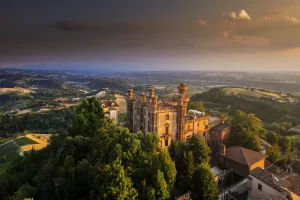
Leaning on a slope of the Langhe and reaching out toward the plains and the Alpine arc, Novello retains a charming historic center with its pre-12th-century tower and several noteworthy sacred buildings. Included among the UNESCO World Heritage wine landscapes, Novello finally allows you to immerse yourself in the folds of a vineyard-combed territory, world-famous for its unique food and wine.
Oncino
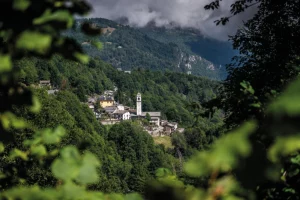
Set at an altitude of 1,200 meters in the heart of the Cottian Alps, Oncino is now a true paradise for lovers of trekking and outdoor activities thanks to such scenic uniquenesses as the Alpetto Refuge-Museum (the first accommodation facility in the history of the Italian Alpine Club), Lake Tartarea or the so-called “Paths of Memory” that immerse themselves in the alpine civilization of the past.
Ostana
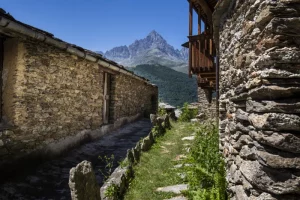
Perched in the upper Po Valley in the shadow of Monviso, Ostana is a typical mountain village listed among the Most Beautiful Villages in Italy. An effervescent cultural hub thanks to the multifunctional center “Lou Pourtoun” and the annual literary prize of the same name, it allows immersions in the most unspoiled nature thanks to the Tour of the Borgate and the Enchanted Forest, which can be complemented by unmissable gastronomic experiences of Occitan tradition.
Pocapaglia
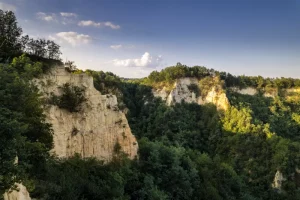
Perched on the Roero hills, Pocapaglia recounts its geological origins in the Ecomuseo delle Rocche, capable of creating a unique and fascinating landscape. The historic center of the village, on the other hand, preserves some churches and an imposing castle mentioned even before the year 1000. Finally, there are several hiking trails in the surrounding area, while the local cuisine is influenced by the unmistakable breath of the Langhe.
Polonghera
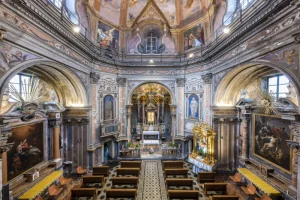
Polonghera stretches across the plain under the embrace of no less than three waterways: the Po River and the Maira and Varaita streams. Embellished with several religious buildings, the historic center then houses the Toy Soldier and Figurine Museum, the Castle (originally from the 11th century), and the Palazzo dei Conti Fossati. Finally, the traditional agnolotti and canestrelli tickle the sweet tooth.
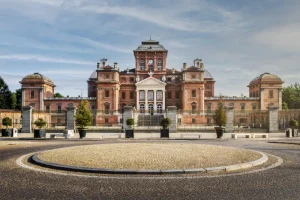
Racconigi
Lying on the northern edge of the Cuneo plain, Racconigi inextricably links its history to the noble families of Piedmont and, in particular, to the House of Savoy. The UNESCO World Heritage-listed Royal Castle looming over the main square is undoubtedly the best-known excellence, but the Silk Museum, Baroque churches and, for nature lovers, the Stork and Duck Center are equally worth mentioning.
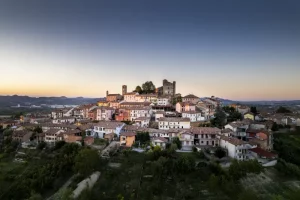
Roddi
Nestled in the heart of the Langhe, Roddi retains a historic center that stretches upward toward the imposing medieval castle, home of the International Cooking School of the White Truffle of Alba. Culturally vibrant thanks in part to the National Poetry Prize of the same name, Roddi makes it possible to sample the area’s excellent food and wine as well as to immerse oneself among the rows of vines thanks to a dense network of trails.
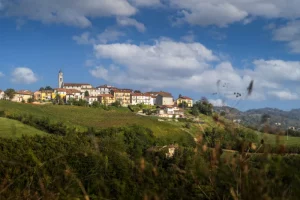
Roddino
Peculiarly suspended high and low Langa, the historic center of Roddino offers a striking juxtaposition of Renaissance buildings and contemporary art installations. The “Tour of the little churches” then allows you to visit the many religious buildings dotting the town, while the flavors of the land are celebrated in the “Black Truffle Fair” and the “Mataria ‘d Langa” cultural festival.
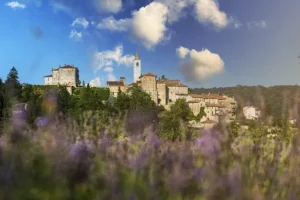
Sale San Giovanni
Lying in the hills of the Alta Langa that already overlook Liguria, Sale San Giovanni has recently made a name for itself for fields planted with lavender or medicinal herbs. Also noteworthy, however, are some important civil and religious architectures such as the Marchesi Incisa di Camerana Castle, the 14th-century parish church of San Giovanni and two similar medieval chapels, and, for nature lovers, the characteristic Prandi Arboretum.
Salmour
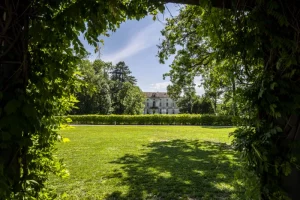
Lying along a plateau that runs towards the Langhe, Salmour has always been a land of passage and conquest. Among the village’s main buildings worth mentioning here are the civic library (the cultural engine of the area) and the Confraternity of St. Augustine. Rich in cycling and hiking trails, finally, the municipality of Salmour has been celebrating for years the Red Wheat Fair, a local excellence certified De. C.O.
Sant’Albano Stura
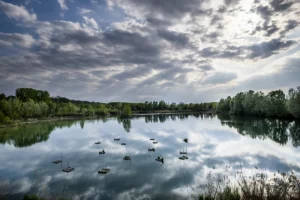
Located in the heart of the Cuneo plain, Sant’Albano Stura has a characteristic triangular urban layout. The discovery of 842 tombs has proven the Lombard origin of the place, leaving the town with a rich collection of archaeological finds. The La Madonnina Oasis, on the other hand, is a wealth of biodiversity to experience and visit, while typical products from the plains tell the story of the area’s more recent history and traditions.
Santa Vittoria d’Alba
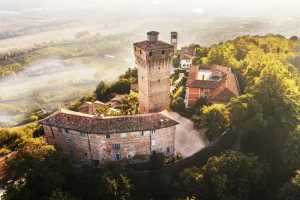
Situated between Alba and Bra and historically regarded as an outpost of the Roero, the municipality of Santa Vittoria d’Alba scans the area from above. The gipsoteca with the works of sculptor Gioachino Chiesa, the Turriglio of Roman origin, the Confraternity of St. Francis and the chapel of St. Rocco tell the historical evolution of the area. Those with a sweet tooth, then, cannot escape tasting the typical Moscato to which an important festival of the same name is dedicated.
Savigliano
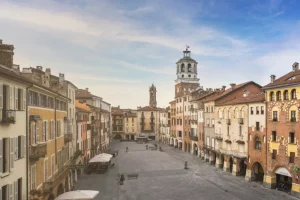
Nestled in the heart of the Cuneo plain, the town of Savigliano holds unexpected artistic peculiarities such as the 14th-century Piazza Santa Rosa with its imposing Triumphal Arch, the elegant Palazzo Taffini, home of the MÚSES- European Academy of Essences and the Garden of the Senses, the collegiate church of Sant’Andrea and the abbey complex of San Pietro. Finally, the gipsoteca, Milanollo Theater and the Railway Museum are worth mentioning.
Sinio
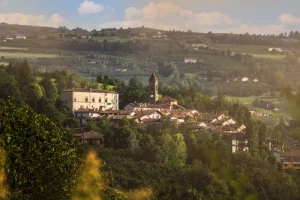
The village of Sinio is marked by a medieval urban structure and a historic center suspended between history and nature. The numerous churches and the votive pillar in the locality of Lirano, then, tell of a strongly religious past. Finally, the surrounding hilly territory offers numerous hiking trails to discover the innermost soul of the Langhe, to be combined with possible tastings of hazelnuts or the prestigious local wines.
Trinità
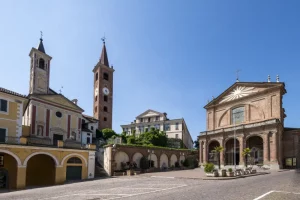
Nestled in the Cuneo countryside, the historic center of Trinità is dotted with interesting religious buildings, although of particular importance is the town hall, home to the so-called Madonna del Latte and the Hall of Maps. Among the most famous events, then, is the traditional Fera dij Pocio e dij Bigat dedicated to loquats and silkworms, while the local cuisine is especially characterized by the use of Piedmontese beef.
Verduno
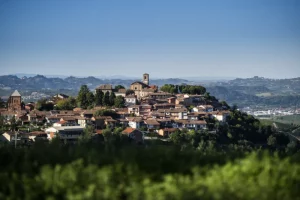
Verduno stands out among the hills of Langhe and Roero, and its historic center encloses the Royal Castle and the parish church, although what strikes the eye is mostly the surrounding nature that can be admired from the scenic Belvedere or through the various hiking trails in the area. Finally, food and wine looks to the Langa tradition, with the prized Verduno Pelaverga finding its roots right here.
Vicoforte
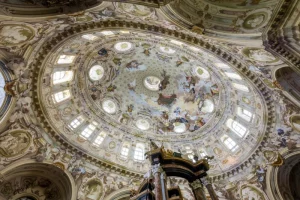
First mentioned in an official document from 1041, Vicoforte stretches out among the hills of the Monregalese and is dominated by the Shrine of the Nativity of the Blessed Virgin Mary, famous for the world’s largest elliptical dome and currently open to visitors on the Magnificat route. Hiking enthusiasts can then delight in the Landandé Trail, while fans of wide-ranging events cannot miss the centuries-old Sanctuary Fair or the more recent Florete Flores.
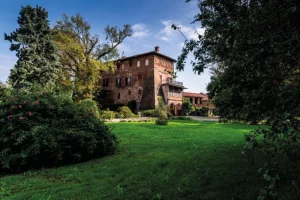
Villafranca Piedmont
Lying on the left bank of the Po River near its confluence with the Pellice stream and home to Monviso Volleyball’s A1 Women’s Series competitions, Villafranca Piemonte retains important artistic traces such as the not-to-be-missed Chapel of Santa Maria di Missione with 15th-century frescoes or similar naturalistic excellences such as the Sentiero delle Ochette, stretching 12km along the banks of the Po River.